
Get Gas Line Excavation in Boulder, CO
Gas line excavation services for Boulder and nearby areas help property owners safely install, repair, or replace underground gas lines for appliances, heating, or new construction projects.
Gas line excavation is a specialized service that plays a crucial role in many property improvement projects around Boulder, CO. Whether installing new gas connections for appliances, upgrading existing lines, or preparing for outdoor amenities, property owners often need professional assistance to ensure the work is done safely and efficiently. Exploring local contractors who specialize in gas line excavation can help ensure the project meets local codes and standards, giving peace of mind during planning and implementation.
For those considering gas line work, comparing options among experienced service providers in the Boulder area can lead to more informed decisions. Local contractors bring valuable knowledge of the area's soil conditions, permitting requirements, and best practices, making it easier to plan a successful project. Continuing to explore available options can help property owners find the right expertise to support their specific needs and ensure the work is handled properly from start to finish.
- Gas Line Installation - needed when installing a new gas supply line for appliances or outdoor grills in residential neighborhoods.
- Gas Line Repair - required when experiencing leaks, corrosion, or damage to existing gas pipelines in areas like Boulder’s historic districts.
- Gas Line Replacement - necessary when old or unsafe gas lines need upgrading to meet current safety standards in local homes or commercial properties.
- Gas Line Extension - used when extending an existing gas system to new areas such as backyard patios or additional structures on a property.
- Gas Line Inspection - essential for routine checks or before remodeling projects to ensure the integrity of gas piping in Boulder and nearby communities.
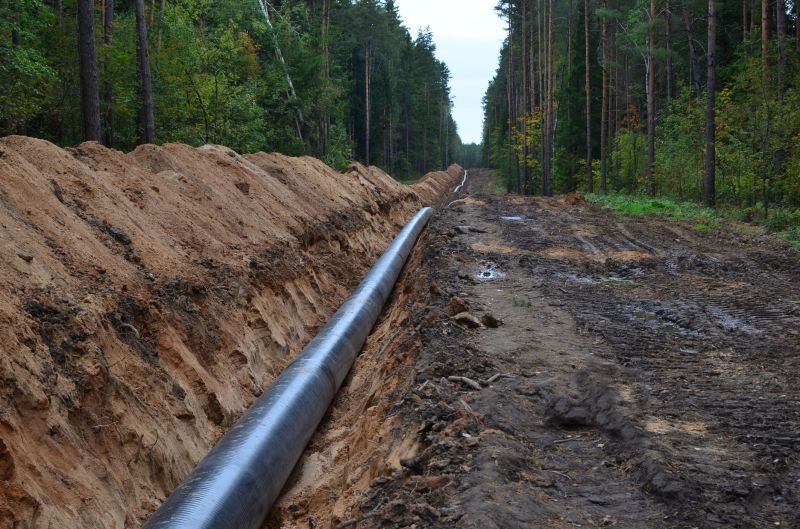
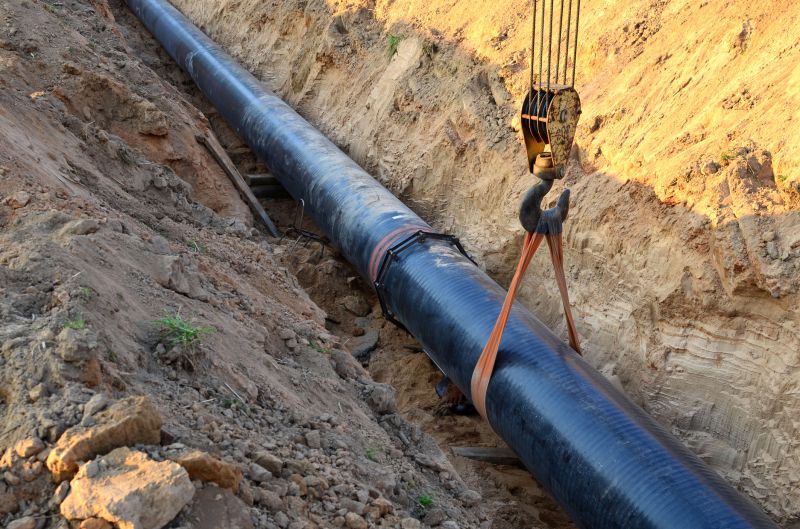

Gas line excavation services involve the careful digging and installation of underground gas pipelines on residential or commercial properties. These services typically include trenching, pipe laying, and backfilling to ensure a safe and secure connection between the utility source and the property. Professional contractors use specialized equipment and techniques to minimize disruption and ensure that the gas lines are installed correctly, adhering to safety standards and local codes. This process is essential when adding new gas appliances, upgrading existing lines, or replacing old infrastructure.
One common reason homeowners seek gas line excavation is to resolve issues related to outdated or damaged pipelines. Leaks, corrosion, or blockages can lead to safety hazards or inefficient appliance operation. Excavation allows service providers to access and repair or replace problematic sections of the gas line. Additionally, property owners planning new installations-such as outdoor fire pits, barbecue grills, or heating systems-may require trenching and line installation to connect these features to the main gas supply safely and reliably.
Gas line excavation services are often used on a variety of property types, including single-family homes, multi-unit residential buildings, and commercial properties. Homes with older infrastructure may need excavation work to upgrade or replace aging gas lines. Larger properties or businesses that rely on gas-powered equipment also benefit from professional excavation to ensure proper connection and safety. Whether for new construction, renovations, or repairs, these services are essential for maintaining a safe and functional gas supply system.
Understanding when gas line excavation is necessary can help property owners prevent potential hazards and ensure their systems operate efficiently. If experiencing issues like inconsistent gas flow, suspected leaks, or planning new gas-powered features, consulting with local contractors can provide clarity on the scope of work needed. These professionals can assess the property, identify the best solutions, and handle the excavation process to meet safety standards and property requirements.
The overview below groups typical Gas Line Excavation projects into broad ranges so you can see how smaller, mid-sized, and larger jobs often compare in Boulder, CO.
In many markets, a large share of routine jobs stays in the lower and middle ranges, while only a smaller percentage of projects moves into the highest bands when the work is more complex or site conditions are harder than average.
Smaller Repairs - Most routine gas line excavation jobs, such as repairing or replacing a section of pipe, typically cost between $250 and $600. These projects are common and usually fall within this middle range, depending on the scope of work and accessibility.
Mid-Size Installations - Installing new gas lines for appliances or extending existing lines generally ranges from $600 to $2,000. Many local contractors handle these projects within this band, though larger or more complex setups can push costs higher.
Full Line Replacement - Replacing an entire gas line system can range from $2,000 to $5,000 or more, especially for longer or more intricate installations. Such projects are less frequent but represent the upper end of typical costs for extensive work.
Large or Complex Projects - Larger, more complex gas line excavations, such as those involving significant trenching or difficult terrain, can exceed $5,000. These jobs are less common and typically involve detailed planning and specialized equipment.
Actual totals will depend on details like access to the work area, the scope of the project, and the materials selected, so use these as general starting points rather than exact figures.
Underground Utility Installation - local contractors often handle the installation of various underground utilities, requiring similar excavation skills and planning as gas line projects.
Drainage System Excavation - installing or repairing drainage systems involves careful trenching and soil management, paralleling the techniques used in gas line excavation.
Water Line Installation and Repair - working with water lines involves precise trenching and knowledge of underground infrastructure, making it comparable to gas line excavation services.
Sewer Line Replacement - replacing or installing sewer lines requires excavation expertise and planning similar to that used in gas line projects.
Foundation Excavation - preparing sites for new foundations involves extensive trenching and soil work, utilizing similar tools and planning as gas line excavation.
Fiber Optic Cable Installation - laying underground fiber optic cables involves trenching and careful routing, aligning with the skills required for gas line excavation services.
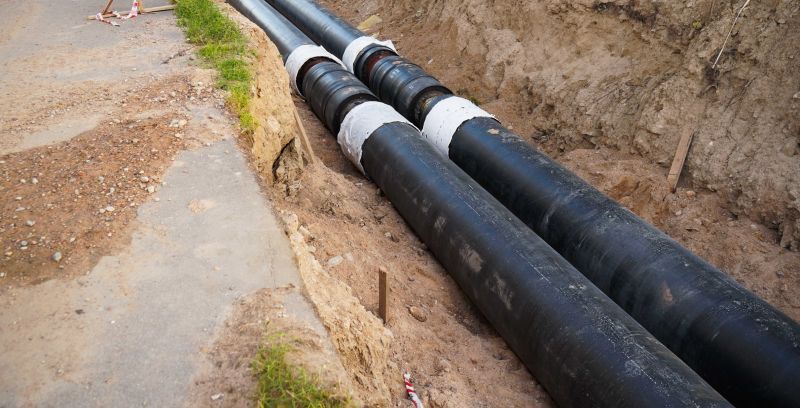
When evaluating potential service providers for gas line excavation, it’s important to consider their experience with similar projects in Boulder and nearby areas. Homeowners should inquire about how long a contractor has been working on excavation tasks specifically related to gas lines, as well as whether they have handled projects comparable in size and scope. An experienced contractor will be familiar with common challenges and best practices, helping to ensure the work is performed safely and efficiently. Looking into their track record with past projects can provide insight into their capabilities and reliability, making it easier to identify professionals who have successfully completed similar work.
Clear, written expectations are essential when comparing local contractors for gas line excavation. Homeowners should seek detailed proposals that outline the scope of work, materials to be used, and any specific procedures or precautions that will be followed. Having this information in writing helps prevent misunderstandings and ensures that everyone is aligned on the project’s requirements. It’s also beneficial to ask how the contractor plans to handle potential issues that might arise during excavation, so expectations are transparent from the outset. Well-documented plans and communication can contribute to a smoother process and a more predictable outcome.
Reputation and communication are key factors when selecting a service provider for gas line excavation. Homeowners are encouraged to request references from previous clients who had similar work done and to follow up on their experiences. A reputable contractor will be able to provide contacts who can speak to their professionalism, quality of work, and adherence to deadlines. Additionally, good communication throughout the process-such as timely updates, responsiveness to questions, and clarity about procedures-can make a significant difference in how smoothly the project proceeds. Connecting with local contractors who prioritize clear communication and have positive references can help ensure the project is completed to expectations.
Property owners in Boulder, CO use Gas Line Excavation services for practical projects around their homes and businesses. This guide focuses on everyday jobs and straightforward project options.
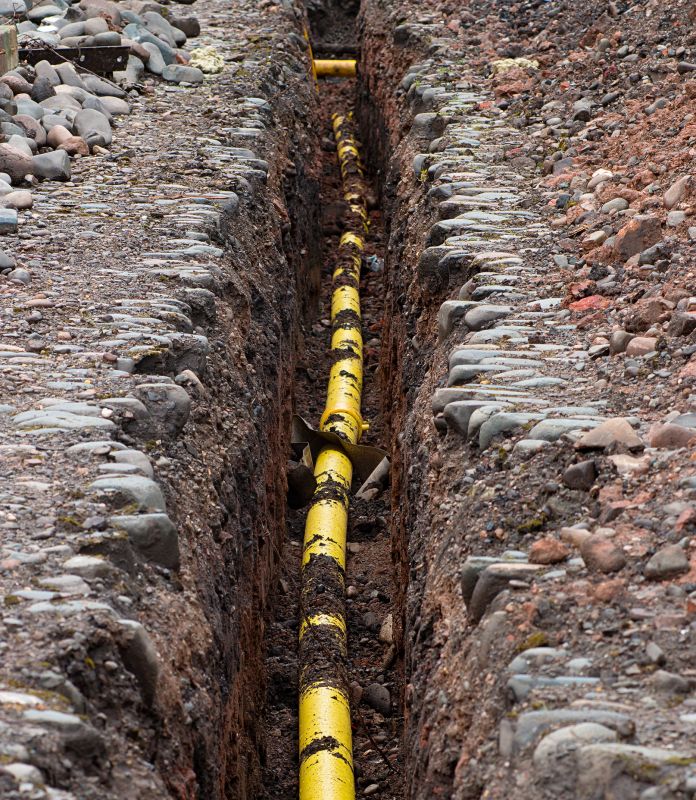
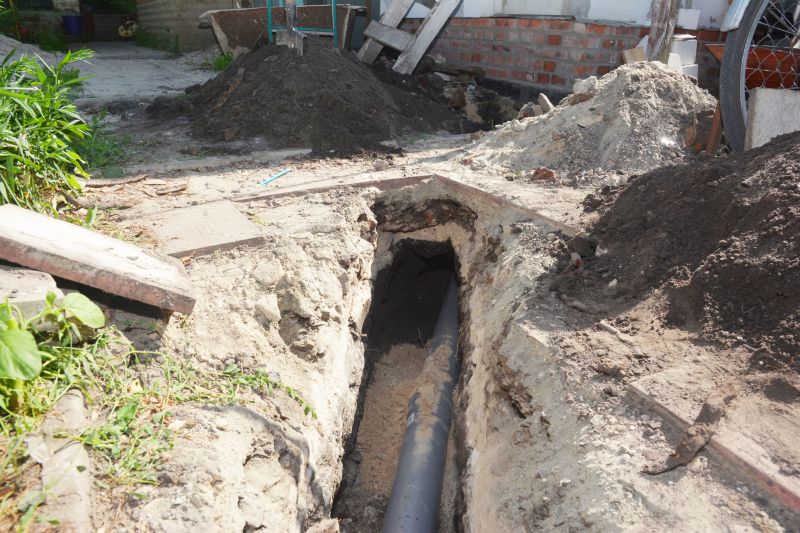
Gas line excavation services are often needed when Boulder property owners are planning to install new natural gas appliances, outdoor grills, or heating systems that require a reliable gas supply. Additionally, homeowners may seek excavation work to repair or replace aging gas lines that have become damaged or corroded over time. These projects typically involve careful digging to access underground pipes, ensuring that the work is done safely and efficiently to prevent future issues and maintain the integrity of the property’s gas infrastructure.
Local contractors specializing in gas line excavation are also commonly called upon for property upgrades or renovations that involve rerouting existing gas lines or expanding the gas system to accommodate new structures. Property owners might look for these services after discovering leaks or experiencing pressure problems, which can indicate the need for professional excavation and repair. Whether for routine maintenance or urgent repairs, connecting with experienced service providers can help ensure the work is handled properly, minimizing disruptions and safeguarding property value.
What is involved in gas line excavation? Gas line excavation involves carefully digging around existing underground gas lines to access, repair, or replace them, ensuring safety and compliance with local regulations.
Are there safety precautions for gas line excavation? Yes, local contractors follow safety protocols to prevent damage to gas lines and ensure proper handling during excavation work.
How do local service providers determine the scope of gas line excavation? They assess the site, existing infrastructure, and project requirements to plan the necessary excavation work accurately.
Can gas line excavation be done alongside other underground utilities? Yes, experienced contractors coordinate with utility companies to identify and avoid other underground lines during excavation.
What should be considered before starting gas line excavation? It’s important to have accurate underground utility maps and to contact local authorities to ensure proper permits and safety measures are in place.
Gas Line Installation Planning - Property owners can work with local contractors to plan and install new gas lines for appliances or outdoor heating systems.
Existing Gas Line Repairs - Homeowners may need excavation services to access and repair damaged or leaking gas lines safely.
Underground Utility Location - Before landscaping or construction, property owners can have local pros locate existing underground gas lines to prevent damage.
Gas Line Replacement Projects - When upgrading or replacing old gas lines, property owners can coordinate with local service providers for a smooth excavation process.
If you are thinking about Gas Line Excavation for a property in Boulder, CO, this guide is meant to help you understand the work, the typical project types, and how different options might fit your plans.
When you are ready, you can use the quote form on this page to share a few details about your project. From there, local pros can review the basics and respond with options that match what you have in mind.